Key Takeaways
- Sleep patches are adhesive patches designed to deliver ingredients through the skin over several hours.
- Common ingredients include melatonin, magnesium, valerian root, and calming botanical extracts.
- Research on transdermal melatonin is promising, but more high-quality human studies are needed.
- Skin irritation is one of the most commonly reported side effects of sleep patches.
- Sleep patches may interact with medications and may not be appropriate for everyone.
- Understanding the label and ingredients can help you make a more informed decision.
Sleep can influence everything from daily energy levels to mood, focus, and overall well-being. When people struggle to get enough quality sleep, they often explore a variety of solutions, including supplements, relaxation techniques, and sleep-support products.
One option that has gained popularity in recent years is the sleep patch. These wearable patches are marketed as a convenient alternative to traditional capsules, tablets, and gummies. Instead of swallowing ingredients, users apply a patch directly to the skin before bedtime.
But do sleep patches actually work? Understanding how the benefits and side effects of sleep patches can help you determine whether they may fit into your wellness routine. In this article, we'll explore how sleep patches work, the ingredients they commonly contain, what current research says, and important considerations before trying them.
What are sleep patches and how do they deliver ingredients through the skin?
Sleep patches are adhesive patches designed to slowly release ingredients through the skin over time.
The concept behind sleep patches is called transdermal delivery. When a patch is placed on the skin, certain ingredients are designed to gradually pass through the outer layers and enter circulation. This method has been used for decades in various healthcare applications because it can provide a steady release of ingredients over several hours.
A typical sleep patch is worn on a clean, dry area of skin such as the upper arm, shoulder, wrist, or back. Depending on the product, patches may be designed to remain in place throughout the night.
The effectiveness of transdermal delivery depends on several factors, including:
- Ingredient being delivered
- Molecular size of the ingredient
- Skin permeability
- Patch design and technology
- Duration of wear
Not every ingredient is easily absorbed through the skin, which is one reason why the effectiveness of different sleep patches may vary.
Do sleep patches work differently from oral sleep supplements?
Yes. Sleep patches and oral supplements use different delivery methods.
When a capsule, tablet, or gummy is consumed, it must travel through the digestive system before ingredients can be absorbed. During this process, some compounds may be altered by digestion and liver metabolism.
Sleep patches bypass the digestive tract altogether. Instead, ingredients are delivered through the skin over an extended period.
Potential advantages often associated with transdermal delivery include:
Sleep Patches
| Oral Supplements |
|---|
Gradual release | Faster absorption |
No swallowing required | Familiar delivery method |
May be easier for some individuals | More research is available |
Bypasses the digestive tract | Typically lower cost |
However, bypassing digestion does not automatically mean better effectiveness. The ability of an ingredient to penetrate the skin remains a key factor.
Which ingredients are most commonly found in sleep patches?
Many sleep patches contain a combination of ingredients intended to support relaxation and healthy sleep patterns.
Melatonin
Melatonin is one of the most common ingredients found in sleep-support products. It is a hormone naturally produced by the body that helps regulate the sleep-wake cycle.
Many sleep patches use melatonin as their primary active ingredient because it is relatively small and may be suitable for transdermal delivery.
Magnesium
Magnesium is involved in hundreds of biochemical processes throughout the body. Some sleep patches include magnesium because it may help support muscle relaxation and overall nervous system function.
Valerian Root
Valerian root has been used traditionally for centuries. Some people use valerian-containing supplements as part of a nighttime wellness routine.
L-Theanine
L-theanine is an amino acid naturally found in tea leaves. It is commonly included in relaxation-focused formulations because it may help promote a calm mental state without causing excessive drowsiness.
Chamomile
Chamomile is a botanical ingredient frequently associated with relaxation and bedtime routines. Some sleep patches incorporate chamomile extract alongside melatonin or other ingredients.
Lavender
Lavender is commonly used in aromatherapy and may also appear in topical sleep-support products.
What benefits do people hope to get from using sleep patches?
People typically use sleep patches in hopes of supporting a more comfortable and consistent bedtime routine. Users commonly seek potential benefits.
Convenience
Sleep patches can be simple to use. They do not require water and may be appealing to individuals who dislike swallowing pills.
Consistent Delivery
Because patches are designed to release ingredients gradually, some users prefer the idea of receiving a steady amount of ingredients throughout the night.
Reduced Digestive Concerns
Since sleep patches bypass the digestive tract, they may be attractive to individuals who experience digestive discomfort with certain oral supplements.
Support for Healthy Sleep Habits
Many consumers use sleep patches as part of a broader sleep-support strategy that includes:
- Maintaining a consistent bedtime
- Limiting evening screen exposure
- Creating a comfortable sleep environment
- Managing caffeine intake
- Practicing relaxation techniques
It is important to remember that sleep patches are not intended to diagnose, treat, cure, or prevent any health condition.
How strong is the evidence behind melatonin sleep patches?
Current evidence suggests that transdermal melatonin delivery is scientifically plausible, but more research is needed.
Researchers have explored various methods of delivering melatonin through the skin. Early studies indicate that transdermal systems may be capable of providing sustained melatonin levels for extended periods. This prolonged delivery may differ from oral melatonin, which is often absorbed more rapidly and cleared relatively quickly.
Recent advances in wearable technology, digital health monitoring, and sleep tracking devices have also increased interest in personalized sleep interventions and transdermal delivery systems.
However, many commercially available sleep patches have not been studied in large randomized controlled trials. As a result, consumers should be cautious about claims that suggest guaranteed outcomes.
The strongest approach remains evaluating products based on ingredient transparency, manufacturing quality, and realistic expectations.
What side effects can happen with sleep patches, including skin irritation?
Understanding the benefits and side effects of sleep patches requires examining potential drawbacks as well as advantages.
Skin Irritation
The most common side effect associated with sleep patches is localized skin irritation.
Possible symptoms include:
- Redness
- Itching
- Mild rash
- Temporary discomfort
- Adhesive sensitivity
People with sensitive skin may be more likely to experience these reactions.
Grogginess
Products containing melatonin or other calming ingredients may contribute to next-day drowsiness in some individuals.
Headache
Some users report mild headaches when using melatonin-containing products.
Vivid Dreams
Melatonin supplementation has occasionally been associated with more vivid dreaming or changes in dream patterns.
Individual Sensitivities
Botanical ingredients may cause unwanted reactions in certain individuals, particularly if they have allergies or sensitivities.
Conducting a small skin test before first use may help identify irritation risks.
Who should be careful with sleep patches because of medications or health conditions?
Sleep patches may not be appropriate for everyone.
Although many sleep-support ingredients are widely available, certain individuals should speak with a qualified healthcare professional before using them.
Extra caution may be appropriate for:
- Older adults taking multiple medications
- Pregnant or breastfeeding individuals
- People with known sensitivities to adhesives
- Individuals taking medications that affect sleep or alertness
- Anyone with a history of significant skin reactions
Melatonin-containing products may interact with certain medications. Other ingredients commonly found in sleep patches may also influence how the body responds to medications or supplements.
Because ingredient combinations vary widely, reviewing the full label is always important.
When should you apply a sleep patch and where should it go?
Most sleep patches are designed to be applied 30 minutes to two hours before bedtime.
However, instructions can vary significantly between manufacturers. Always follow the directions provided on the product label.
Common application sites include:
- Upper arm
- Shoulder
- Upper back
- Wrist
- Hip area
- For best adhesion, apply the patch to:
- Clean skin
- Dry skin
- Hair-free areas whenever possible
- Skin free from lotions or oils
Rotating application sites may help reduce the likelihood of irritation from repeated use in the same location.
What should you check on a sleep patch label before trying one?
Reading the label carefully can help you make a more informed purchasing decision.
Active Ingredients
Look for a complete list of active ingredients and their amounts. Products that provide clear ingredient transparency are generally easier to evaluate.
Serving Information
Determine whether the patch is intended for:
- Single-night use
- Extended wear
- Daily use
Third-Party Testing
Some manufacturers voluntarily test products for quality, purity, and ingredient verification.
Allergens
Check for ingredients that may trigger sensitivities or allergies.
Usage Instructions
Review recommended wear times, application locations, and removal instructions.
Warning Statements
Pay attention to any precautionary language regarding medications, pregnancy, breastfeeding, or other health considerations.
When is a sleep patch not the right fit for your sleep problem?
Sleep patches may not be the best option when sleep difficulties stem from underlying lifestyle, environmental, or health-related factors.
For example, a patch is unlikely to fully address challenges related to:
- Excessive evening screen exposure
- Irregular sleep schedules
- High caffeine consumption late in the day
- Shift work
- Poor sleep environment
- Significant stress levels
In these situations, improving sleep habits may have a greater impact than adding a supplement product alone.
Sleep-support products may be most effective when combined with a strong sleep hygiene routine. Healthy sleep habits often include:
- Consistent bedtime: Supports circadian rhythm
- Limiting screens before bed: Helps reduce nighttime stimulation
- Comfortable bedroom temperature: Supports restful sleep
- Daytime physical activity: Promotes overall wellness
- Limiting late caffeine: Supports natural sleep readiness
FAQs about sleep patches
Do sleep patches actually work?
Sleep patches may work for some individuals, particularly those interested in transdermal delivery of ingredients such as melatonin. However, effectiveness can vary based on the ingredients used, patch design, and individual response.
Are sleep patches better than melatonin pills?
Neither option is universally better. Sleep patches offer gradual transdermal delivery, while oral melatonin products typically have more extensive research available. Personal preference and individual response often play a role.
Can sleep patches cause skin irritation?
Yes. Skin irritation is one of the most commonly reported side effects. Redness, itching, and mild discomfort may occur, particularly in individuals with sensitive skin.
How long does a sleep patch take to work?
This depends on the ingredients and formulation. Many products are designed to be applied between 30 minutes and two hours before bedtime.
Where do you put a sleep patch?
Most patches are placed on clean, dry skin such as the upper arm, shoulder, wrist, or upper back. Follow the manufacturer's instructions for the specific product.
Can you wear a sleep patch every night?
Some products are designed for regular use, while others may be intended for occasional use. Always follow label directions and consult a healthcare professional if you have questions about long-term use.
What ingredients are usually in sleep patches?
Common ingredients include melatonin, magnesium, valerian root, chamomile, lavender, and L-theanine.
Are sleep patches safe for older adults?
Older adults may wish to discuss sleep patches with a healthcare professional, especially if they take multiple medications or have concerns about ingredient interactions.
Can sleep patches make you groggy the next day?
Some individuals report next-day drowsiness, particularly when products contain melatonin or other calming ingredients.
Who should avoid sleep patches?
People with known adhesive sensitivities, certain medication regimens, or specific health considerations may need additional guidance before using sleep patches.
Final thoughts
Sleep patches offer a unique approach to delivering sleep-support ingredients through the skin. Their convenience, ease of use, and gradual-release design have contributed to growing consumer interest.
When evaluating the benefits and side effects of sleep patches, it is important to maintain realistic expectations. While early research on transdermal delivery systems—particularly melatonin—shows promise, the overall body of evidence remains limited compared to traditional oral supplements.
Consumers who are interested in sleep patches should review ingredient labels carefully, understand potential side effects such as skin irritation, and consider how the product fits within a broader sleep-support strategy.
Ultimately, healthy sleep habits remain the foundation of better sleep. Products such as sleep patches may complement those habits, but they are not a substitute for a consistent sleep routine, a supportive sleep environment, and overall wellness practices.
References:
- Abd-alrazaq, A., Aslam, H., AlSaad, R., Alsahli, M., Ahmed, A., Damseh, R., Aziz, S., & Sheikh, J. (2024). Detection of sleep apnea using wearable artificial intelligence: Systematic review and meta-analysis. Journal of Medical Internet Research, 26, e58187. https://doi.org/10.2196/58187
- Osa-Sanchez, A., Ramos-Martinez-de-Soria, J., Mendez-Zorrilla, A., Oleagordia Ruiz, I., & Garcia-Zapirain, B. (2025). Wearable sensors and artificial intelligence for sleep apnea detection: A systematic review. Journal of Medical Systems, 49(1), 66. https://doi.org/10.1007/s10916-025-02199-8
- Vitazkova, D., Hyncica, O., Vysata, O., & Kukal, J. (2025). Transforming sleep monitoring: Review of wearable and remote technologies for home sleep assessment. Biosensors, 15(2), 117. https://doi.org/10.3390/bios15020117
- Aziz, S., Abd-alrazaq, A., AlSaad, R., Alsahli, M., Ahmed, A., & Sheikh, J. (2025). Wearable artificial intelligence for sleep disorders: A scoping review. Journal of Medical Internet Research, 27, e65272. https://doi.org/10.2196/65272
- Haghighat, S., Shadab, M., Issa, J., Azimian, S., Brinz, J., Ashkan, A., Chaurasia, A., Rahimian Z., & Sangalli, L. (2025). Diagnostic accuracy of artificial intelligence for obstructive sleep apnea detection: A systematic review and meta-analysis. BMC Medical Informatics and Decision Making, 25, 129. https://doi.org/10.1186/s12911-025-03129-x
- Viniol, C., Galetke, W., Woehrle, H., Nilius, G., Schöbel, C., Randerath, W., Leiter, L., Canisius, S., Schneider, H. (2025). Clinical validation of a wireless patch-based polysomnography system. Journal of Clinical Sleep Medicine, 21(5), 813–823. https://doi.org/10.5664/jcsm.11524
- Yang, J. R. (2025). Emerging technologies in medicine presented at CES 2025: Artificial intelligence and sensor-based health innovations. Yeungnam University Journal of Medicine, 42(1), 31–38. https://doi.org/10.12701/jyms.2025.42.31,
DISCLAIMER:
These statements have not been approved by the Food and Drug Administration. These products are not intended to diagnose, treat, cure, or prevent disease.


























































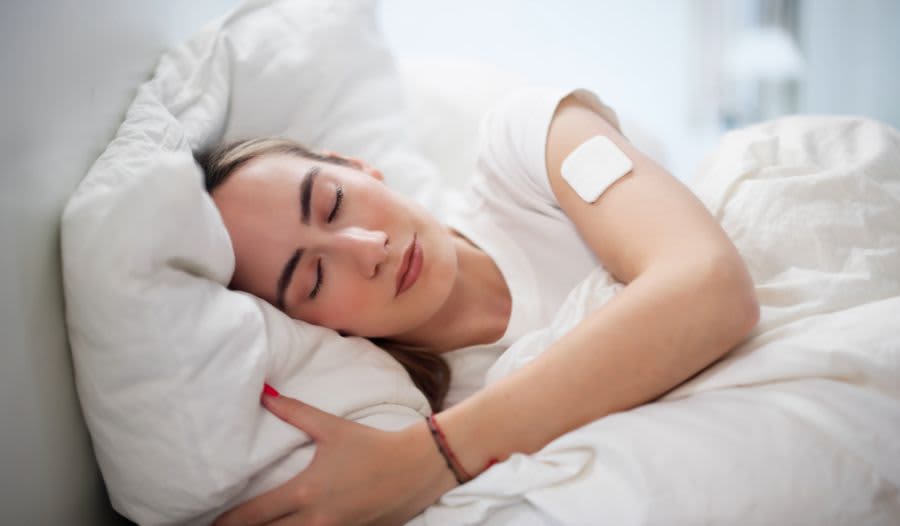
 Table of Contents